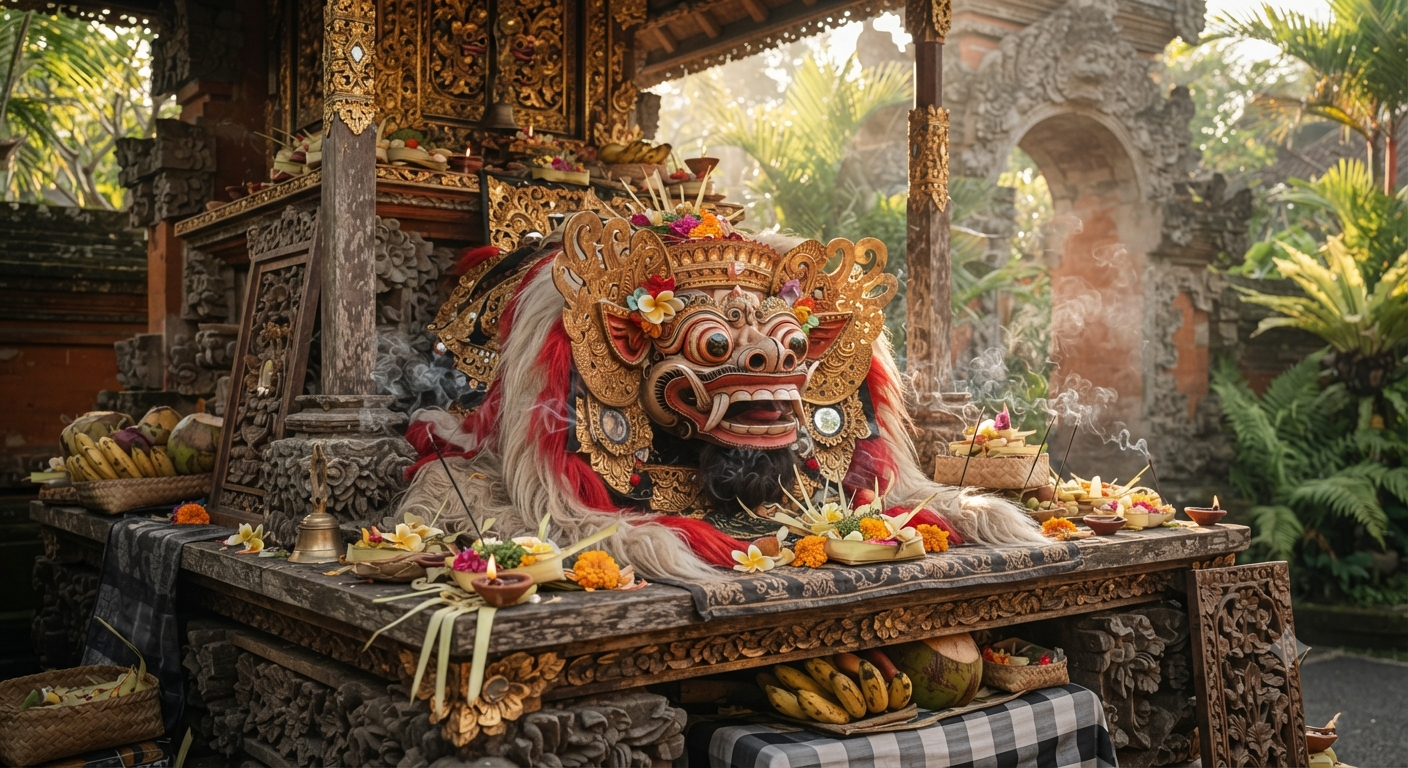
Barong Dance is one of the most captivating cultural traditions found in Bali. More than just a performance, the barong dance is deeply connected to Balinese spirituality and the rich world of Indonesian myths and legends. For centuries, villagers, priests, performers, and storytellers have preserved the tale of Barong, the guardian spirit of good, and Rangda, the terrifying queen of darkness. Their eternal struggle continues to fascinate locals and visitors alike.
What makes the barong dance unique is that it is not simply entertainment. In Bali, it is often regarded as a sacred expression of the balance that governs the universe. Every performance reminds audiences that good and evil are constantly present, neither fully destroying the other, but existing in a state of balance.
If you love Southeast Asian folklore, follow us on Youtube!
The Legend Behind the Barong Dance
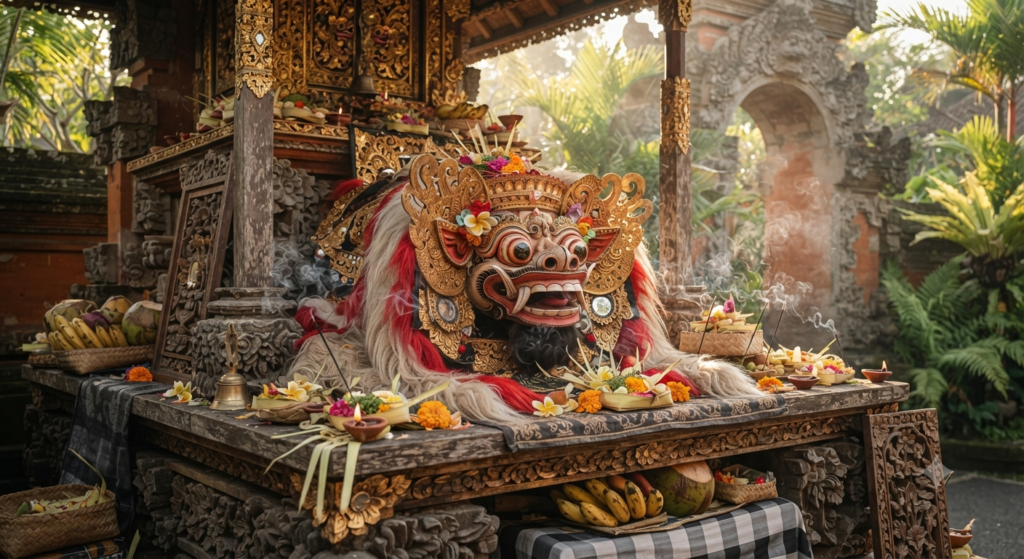
At the heart of the barong dance is the legendary battle between Barong and Rangda. Barong is a mythical creature often depicted as a lion-like guardian spirit. He represents protection, harmony, health, and prosperity. In many Balinese communities, Barong is seen as a spiritual protector capable of defending villages from harmful forces.
Opposing him is Rangda, the feared queen of witches and dark spirits. With bulging eyes, long claws, and terrifying fangs, she symbolises chaos, disease, destruction, and black magic. Yet in traditional Balinese belief, Rangda is not merely a villain. She is a necessary force within the cosmic balance of life.
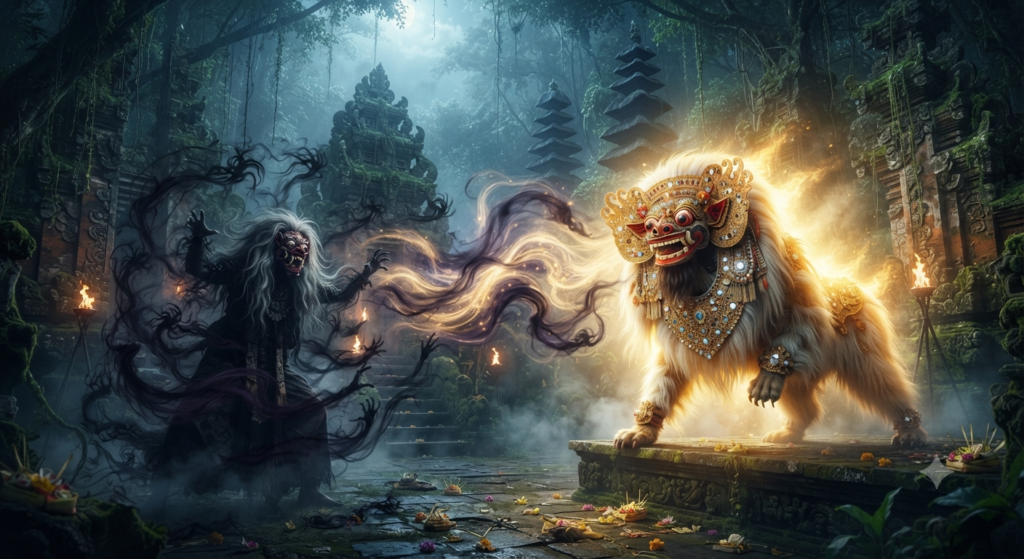
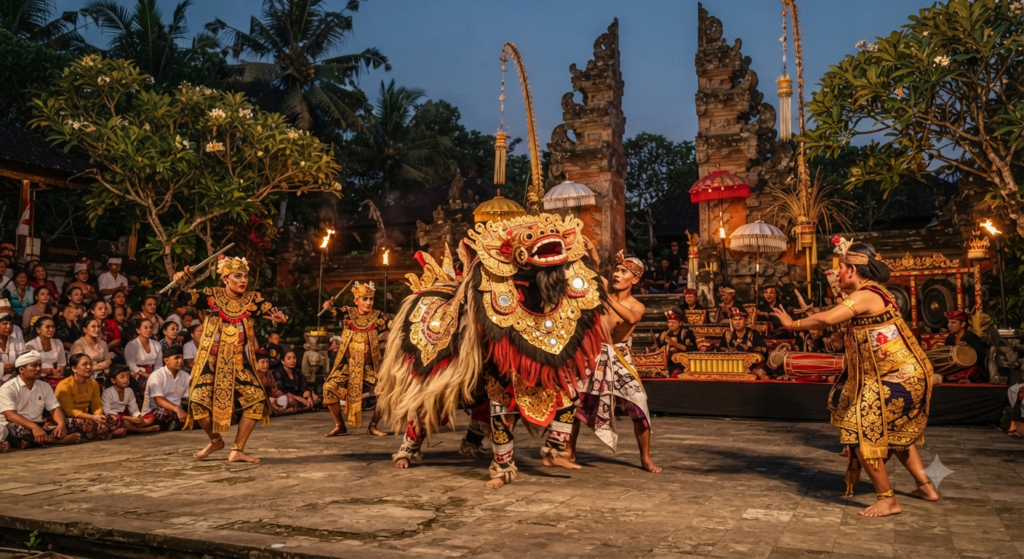
The barong dance typically portrays their clash. As the story unfolds, Barong leads the forces of good while Rangda commands powerful dark spirits. However, unlike many Western stories, the conflict rarely ends with a decisive victory. Instead, both forces continue to coexist, reflecting the Balinese philosophy that harmony comes from balance rather than domination.
Urban Legends Surrounding Barong
Over time, the barong dance became intertwined with numerous local legends and supernatural beliefs. In some villages, sacred Barong masks are believed to contain spiritual energy. These masks are often treated with deep respect and are used during religious festivals and temple ceremonies.
Local tales speak of villagers feeling unusual sensations when sacred Barong masks are carried through communities. Some describe sudden feelings of peace, while others believe the presence of Barong helps remove negative energy from an area. These accounts are part of local tradition and belief rather than scientifically verified events.
Another enduring legend involves Rangda herself. Folklore portrays her as a powerful practitioner of dark magic capable of commanding evil spirits. Stories passed through generations claim that Rangda’s influence could bring fear, sickness, or unrest when spiritual balance was disturbed.
Stories from Balinese Tradition
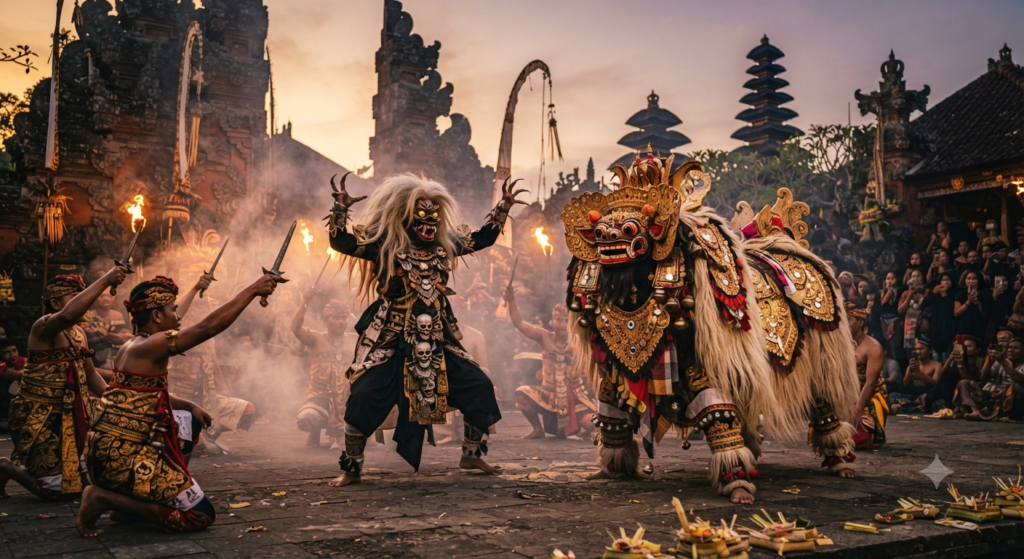
Among the many stories linked to the barong dance, one of the most famous is the tale of the eternal battle between Barong and Rangda. As the conflict intensifies, Rangda unleashes supernatural powers against Barong’s followers. Warriors are sometimes portrayed entering trance-like states during performances, becoming seemingly immune to harm as part of the ritual drama.
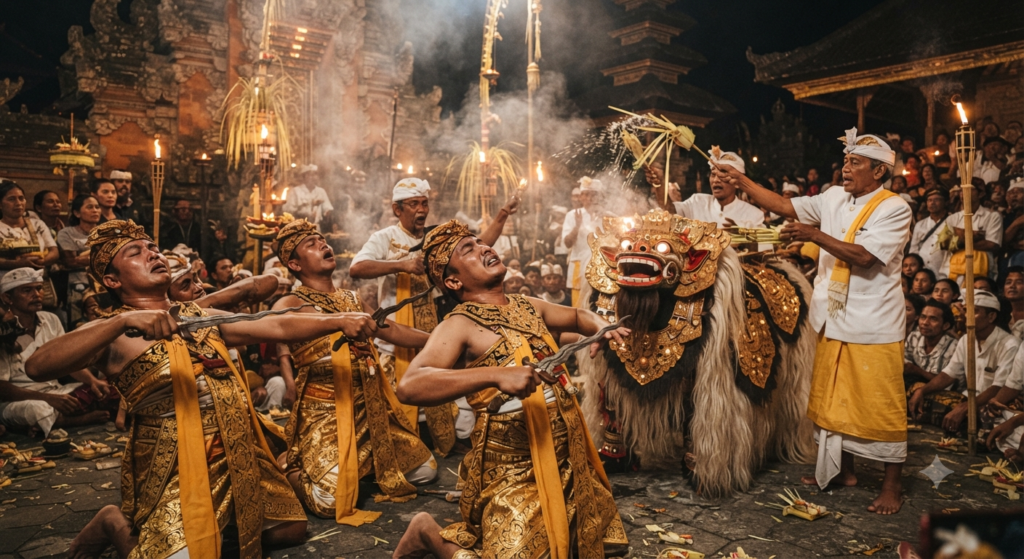
In traditional narratives, Barong responds not through destruction but through protection. He shields his followers from Rangda’s attacks and restores balance when chaos threatens to overwhelm the community. This symbolism has made the barong dance one of the most important representations of Balinese spiritual values.
Many villages across Bali have their own variations of these stories. While the costumes, music, and details may differ, the central theme remains the same: the need for harmony between opposing forces.
Sightings and Modern Beliefs
Unlike cryptids or ghost stories, reports connected to the barong dance are usually spiritual experiences rather than physical sightings of mythical creatures. Some practitioners and community members describe feeling a powerful presence during sacred performances and temple ceremonies. These experiences are matters of personal belief and cultural tradition.
Visitors frequently report being deeply moved by the atmosphere surrounding authentic performances. The rhythmic gamelan music, elaborate costumes, sacred masks, and intense storytelling create an experience that many describe as unforgettable.
In modern Bali, the barong dance remains one of the island’s most recognisable cultural symbols. It attracts travellers from around the world while continuing to hold spiritual importance for local communities.
Why the Barong Dance Still Matters Today
The enduring appeal of the barong dance lies in the universal nature of its message. The story reflects a worldview where light and darkness, creation and destruction, good and evil are all part of existence. Rather than promising a final victory, the dance teaches that balance is the key to harmony.
For those interested in Indonesian myths and legends, the barong dance offers a rare opportunity to witness mythology brought to life. It is not merely a historical tradition but a living cultural expression that continues to evolve while remaining rooted in ancient belief.
Whether viewed as sacred ritual, cultural masterpiece, or supernatural folklore, the Barong dance remains one of the most powerful and mesmerising legends in Bali, ensuring that the story of Barong and Rangda continues to captivate audiences for generations to come.
If you are interested in Indonesian folklore, read 3 Chilling Pocong Stories That Reveal What is a Pocong Ghost (You’ll be Amazed!)
Leave a Reply