Why the ancient ruins of the Majapahit Empire are believed to hold sacred spirits
When I first set foot in the Majapahit museum in Trowulan, site of the ancient capital of Majapahit, I felt an inexplicable uneasiness, as if something ancient was watching. The air carried a quiet lingering energy that felt older than stone or brick.
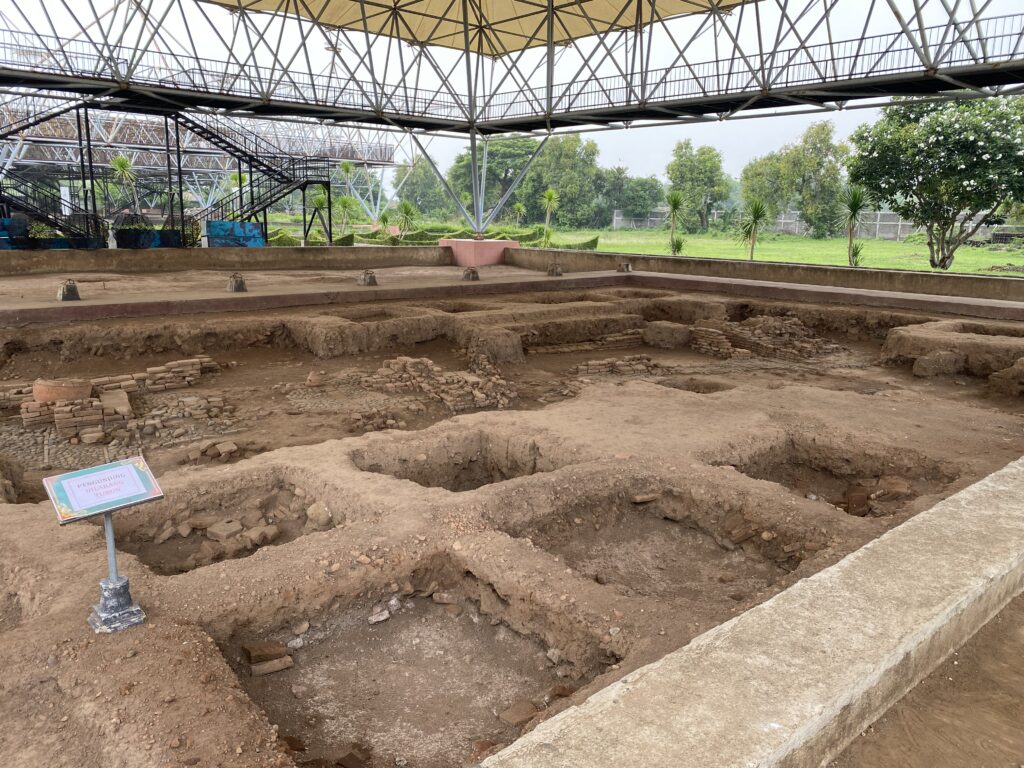
As I explored the museum and the surrounding ruins, I couldn’t help but wonder what it might have looked in its heyday, as the capital of one of the largest empires in SouthEast Asia, reigning between the 13th and 16th centuries. Historical records and archaeological surveys estimate that the city spanned over 100 square kilometres, supported by sophisticated infrastructure such as reservoirs, waterways, workshops, and dense urban settlements. Unlike most ancient capitals built from stone, Majapahit’s use of red bricks made it unique, durable, and symbolically tied to the earth itself.
Everywhere I walked, I could feel the emotions of the people who lived there, the rituals that took place, and the countless unanswered questions. As I did some research, and speaking to the local Javanese people, the true descendants of the land, I stumbled upon various mysteries and legends that are unexplainable by science, and this built a curiosity in me to explore this site further.
This blog stems from that curiosity, and to share the wonderful yet mysterious world of South East Asia, where ancient animistic pre-Hindu-Buddhist influence mix with Hinduism, Buddhism and later, Islam, to create the amalgamation of culture that we see today.
Here are the seven mysteries of the Majapahit empire that captivated me the most, and speaks of the rich culture and tradition the Javanese land has to offer to the world.
1. Rituals to Communicate with the Other Realm
The Majapahit Empire is remembered for its political brilliance and military dominance, but lesser known are its mystical traditions among royalty, warriors, and spiritual scholars. Local legends speak of how the rulers practiced ancestor worship, deep meditation, mystical exercises (tapa), and sacred amulets and talismans for protection and sacred right to rule, as the kings were considered as deva raja, the representation of gods in human world. These practices were part of the Hindu-Buddhist spiritual system associated with the Majapahit empire. The rituals served as a purpose to protect not just the palace, but the entire empire’s boundary. It makes us wonder, whether the kingdoms power was only built by the sword and diplomacy, or by unseen alliances as well.
2. The Ever-Present Mist of Trowulan
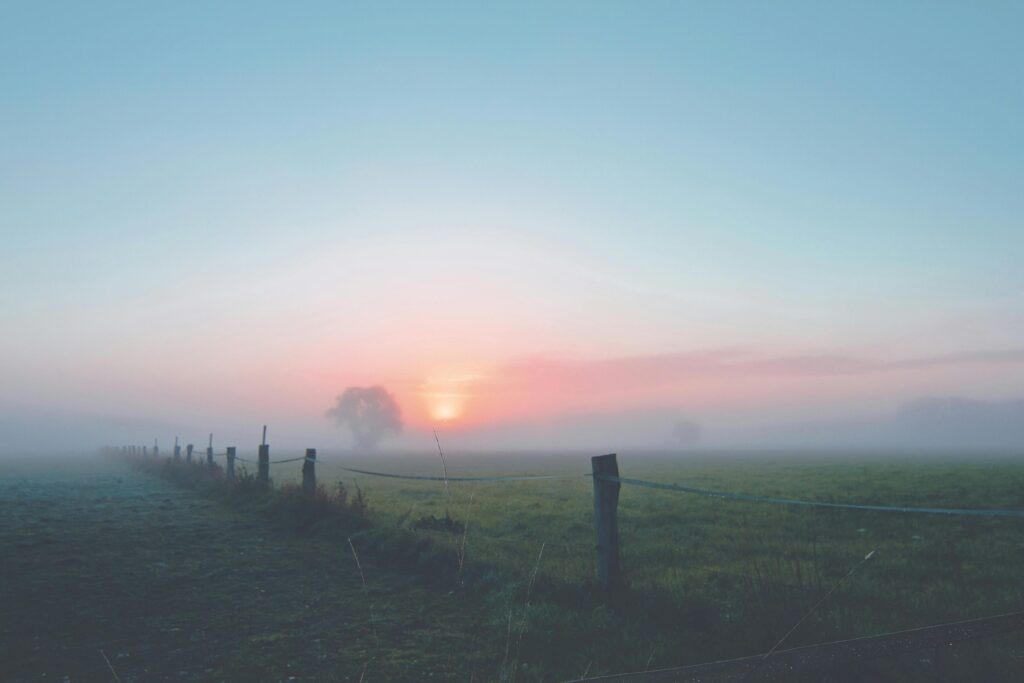
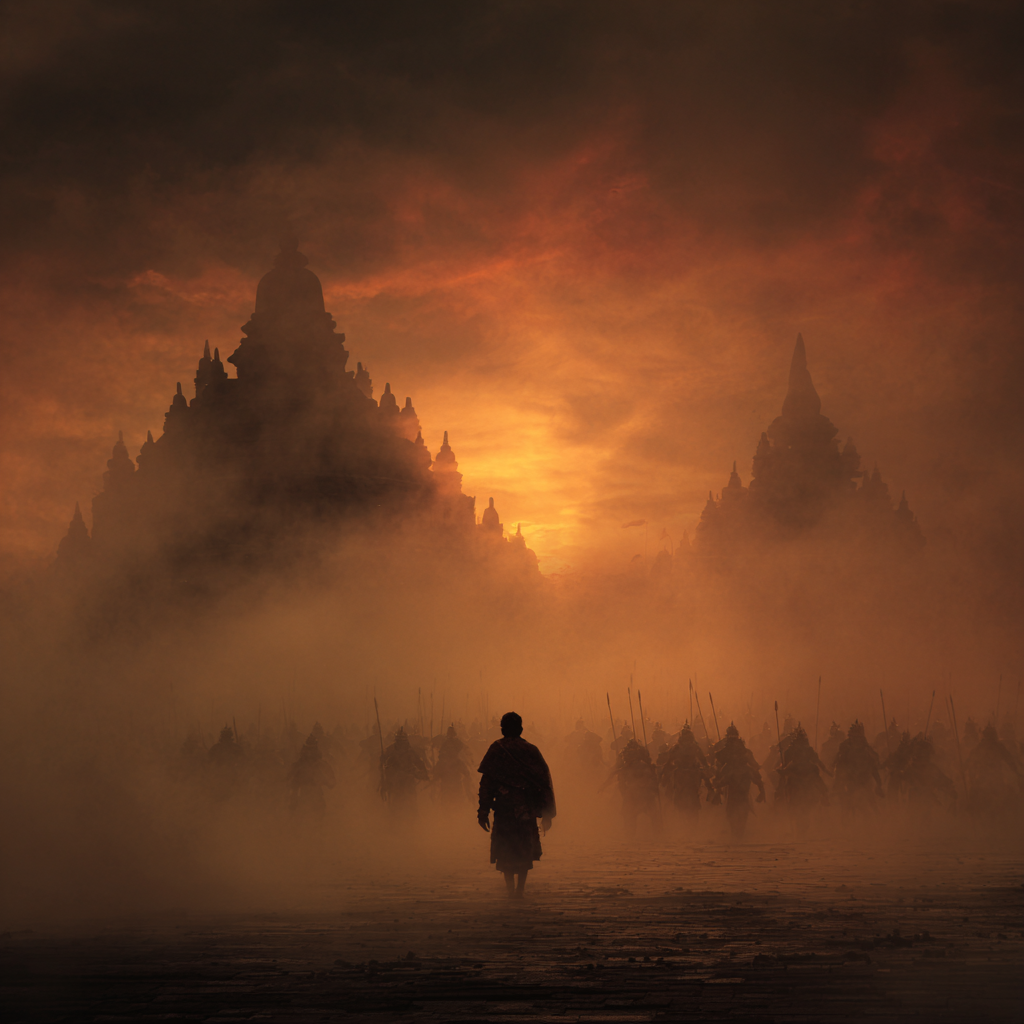
I visited the ruins early in the morning and saw the site embraced by mist. Locals say this is a recurring theme at the site, even on clear days. Legends say that this is not just a fog, but a boundary that marks the separation between the physical world and the ‘alam ghaib’ (spiritual realm). It is believed to hide parts of the empire from unprepared eyes, as they may not be spiritually prepared to see it.
3. The Lost Palace of the Majapahit King
In Javanese believes, ‘Moksa’ means release from the physical world and ascension to the spiritual realm. The local tradition claims that the palace or Keraton was moksa’d into the unseen realm, and can only be seen by those with ‘mata batin’ (inner sight). This was done to hide the secrets and the royal heirloom from being misused by the hands of ignorant people.
4. Gajah Mada Once Penetrated a Magical Gate and Entered the Other Realm
One of the most famous figures in Majapahit history, Gajah Mada, is shrouded in local legend that blurs reality and mythology. It is believed in local legends that he once entered the gate to another realm and witnessed invisible spirit troops, where they were not bound by physical forms. This gate is said to only appear to those who swear to the heaven and earth, and is a symbol of supreme spiritual power. Some Javanese mystics interpret that the armies of the Majapahit empire consisted of real human beings and the invisible troops from this realm, which made them unstoppable.
5. Sacred Water of Candi Tikus
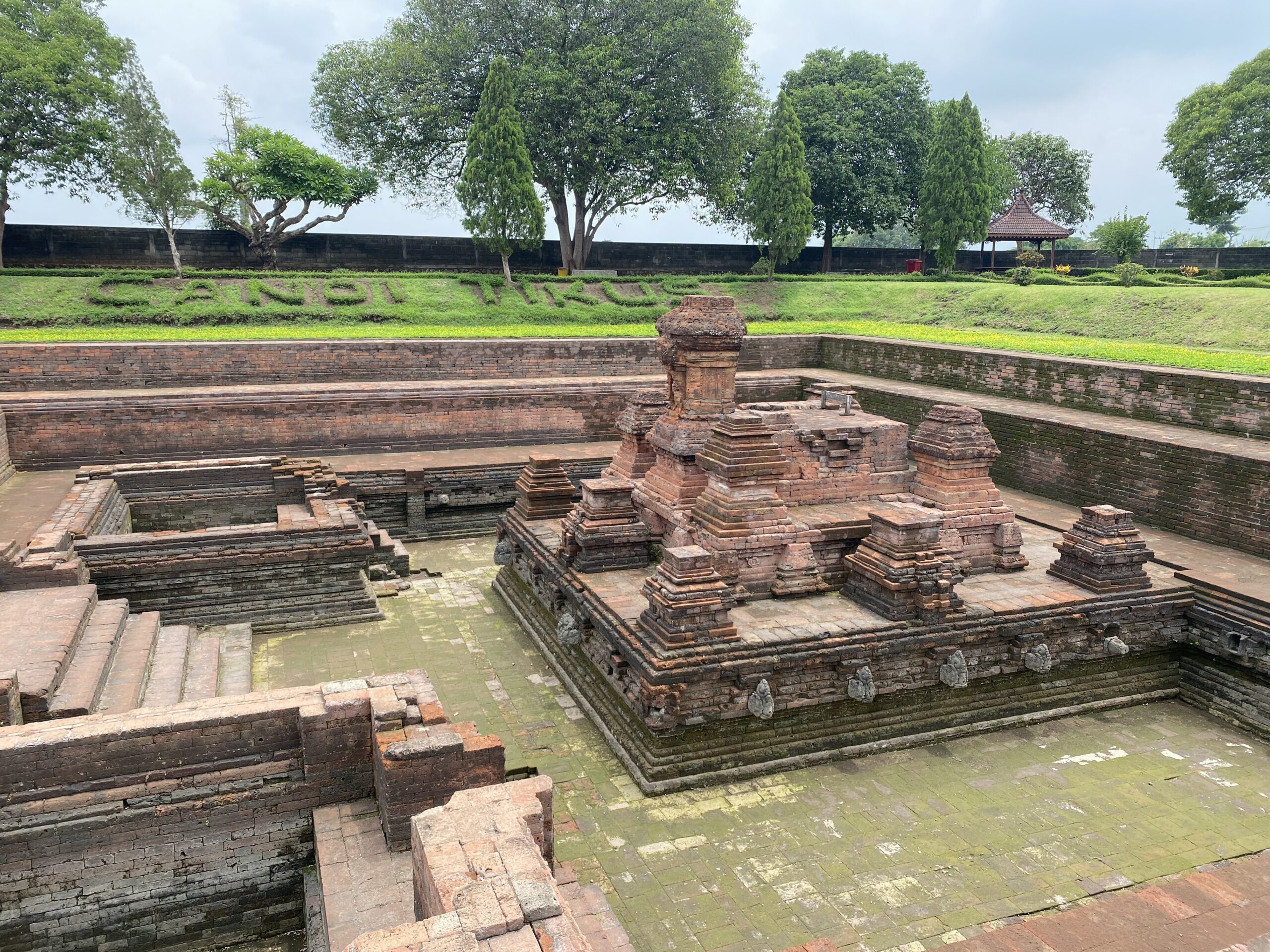
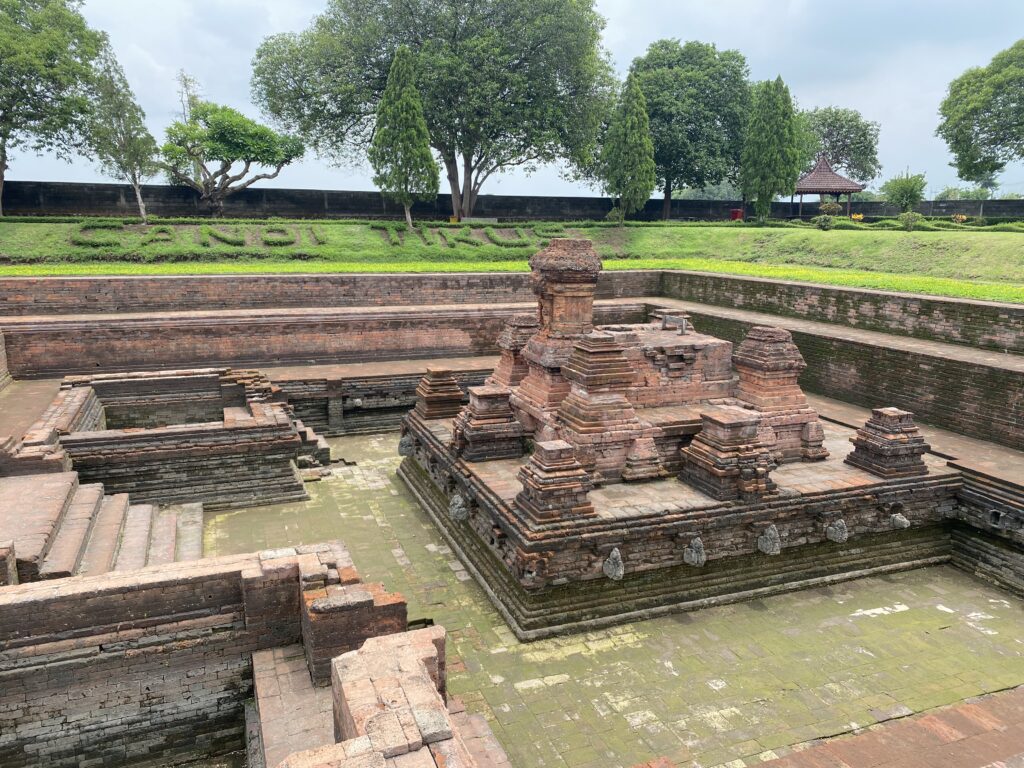
Candi Tikus is an underground bathing pool temple, built from red brick and believed to have been used for ritual cleansing. It symbolises the sanctity of Mount Meru as the abode of the Gods and the source of ‘Tirta Amerta’, a water source believed to possess magical powers that can bring prosperity.
This temple is also tied to an old farmer’s legend in the early 20th century, where a distressed farmer who was facing a rat infestation in his rice field received a revelation in his dream, to draw water from the Candi Tikus and pour it onto the four corners of his rice field. The next day, the rats mysteriously disappeared. Later, hearing this tale, a greedy rich merchant stole bricks from the Candi to place it on his property, to increase his wealth. The next day, rats came in to his fields and ate away his wealth.
6. Candi Brahu: The Sacred Royal Cremation Shrine
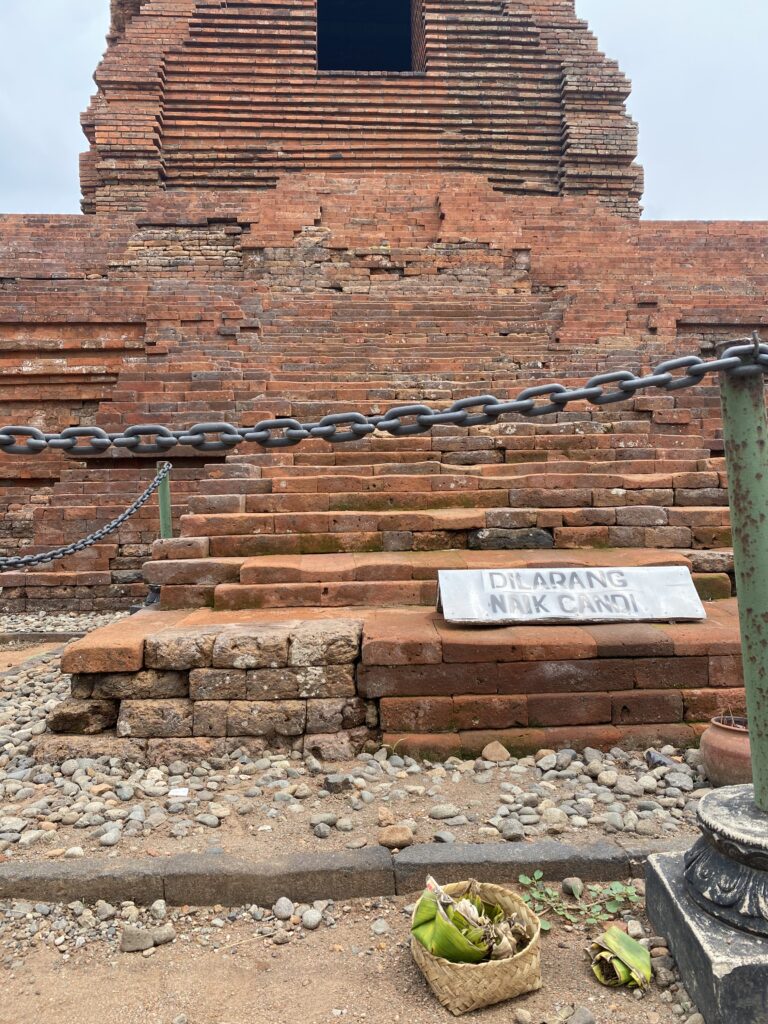
Candi Brahu is one of the oldest standing brick temples in Trowulan. Archaeologists strongly support that it was likely used for elite cremation ceremonies, aligning with Hindu funerary traditions. The locals believed that the ashes of kings and warriors were scattered here, and thus become a site guarded by the ancestors. Even today, offerings are placed at this site, and the removal of any bricks or soil from this site is considered taboo by the nearby villagers.
7. Kolam Segaran (The Great Pool)
Kolam Segaran is one of the largest ancient man-made reservoirs in Southeast Asia, measuring approximately 375 by 175 meters. Legends say that the most famous Majapahit King, Hayam Wuruk, arranged a great feast to welcome the Chinese ambassadors. The feast was served in solid gold utensils, and once it was over, the golden utensils were thrown into the pool, as a sign to show the wealth of the empire.
The pool was also used by Gajah Mada to train his troops, as the pool symbolised the sea, and rituals were conducted to appease the ocean guardians, where protection was sought for their journey across the seas. This aligns with the traditional believe that water is a carrier of fate, journey, energy and spirituality.
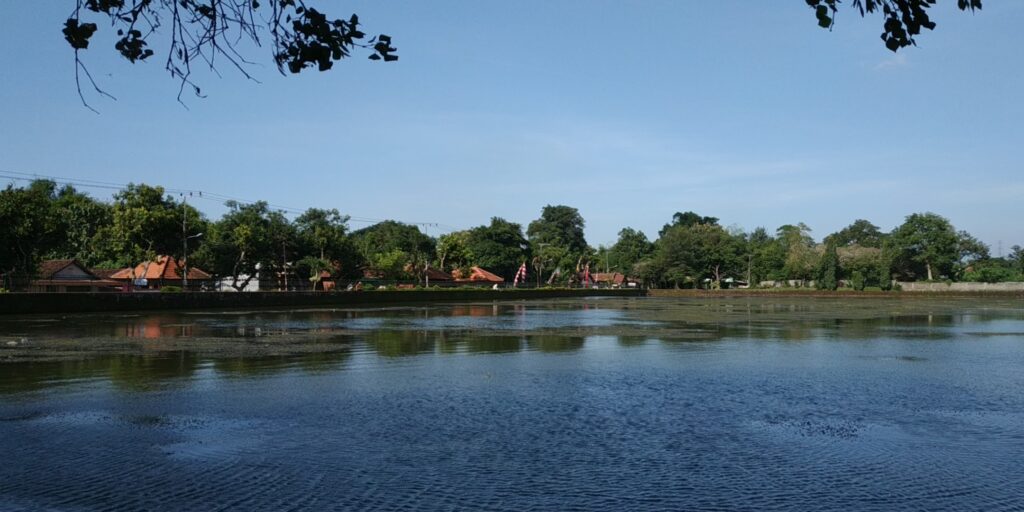
Photo by: Ramada Febrian
There are countless other legends that surround this ancient site, where you can feel the energy and presence of other worldly beings. This blog will unravel these details more in the coming weeks. Southeast Asia’s mystical heritage will be revealed to the world, celebrating the region’s deep cultural roots. Stay tuned!

Leave a Reply