Dazzling Fireworks and The Shocking Legend of Nian, Secret Fortune Telling with Tea Leaves, and Intense Tatung Rituals in Southeast Asia
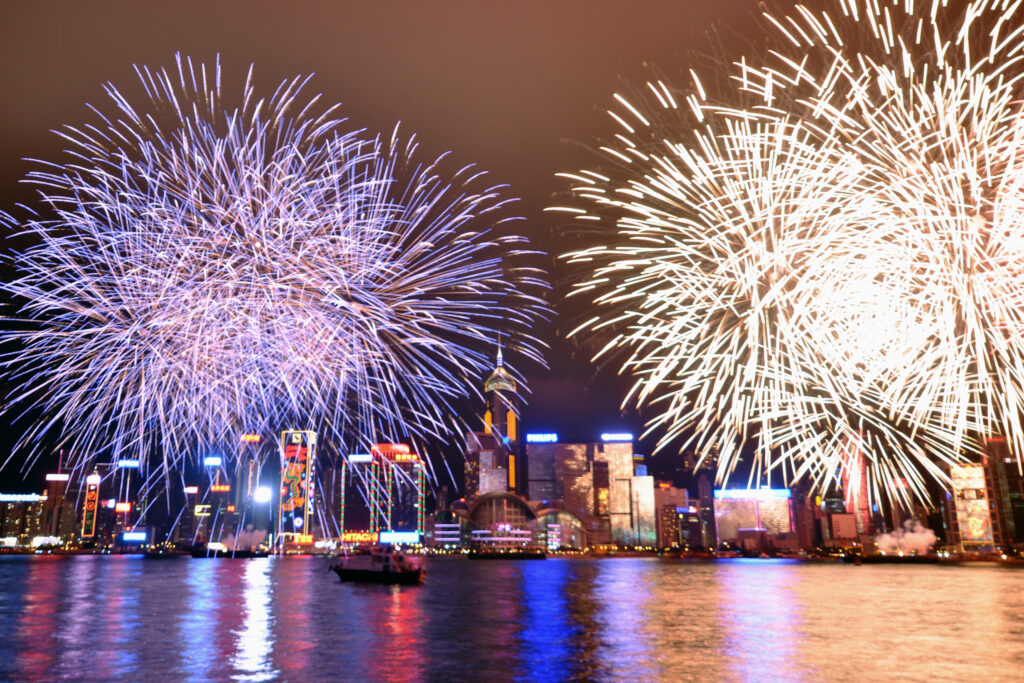
Chinese New Year in Southeast Asia is not just about red lanterns, reunion dinners, and prosperity slogans. Beneath the dazzling firework display, Chinese New Year celebrations has an older, stranger layer of belief. Growing up in Southeast Asia, we would have heard many different stories related to the firework Chinese new year. We often ask our elders or friends, but we frequently receive different answers. This is because Chinese culture is very old, with many sub-ethnic groups that hold different beliefs. This article aims to explore some of the most interesting celebrations, regardless of sub-ethnic differences.
Dragon Breath Firecrackers and The Legend of Nian
Across Southeast Asia, firecrackers are more than just festive noise during Chinese New Year. They are believed to symbolise a violent and thunderous force meant to drive away ancient threats.
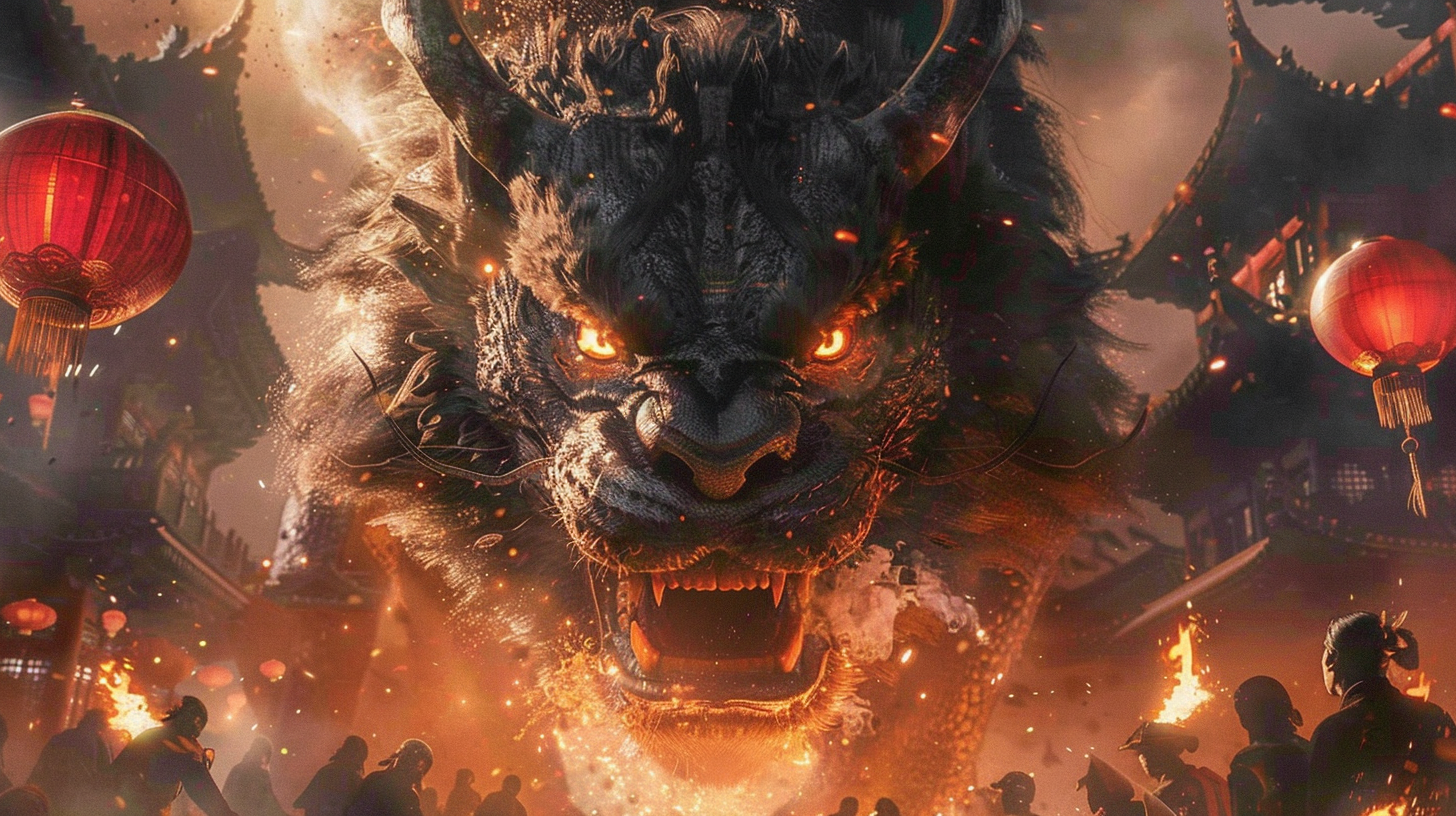
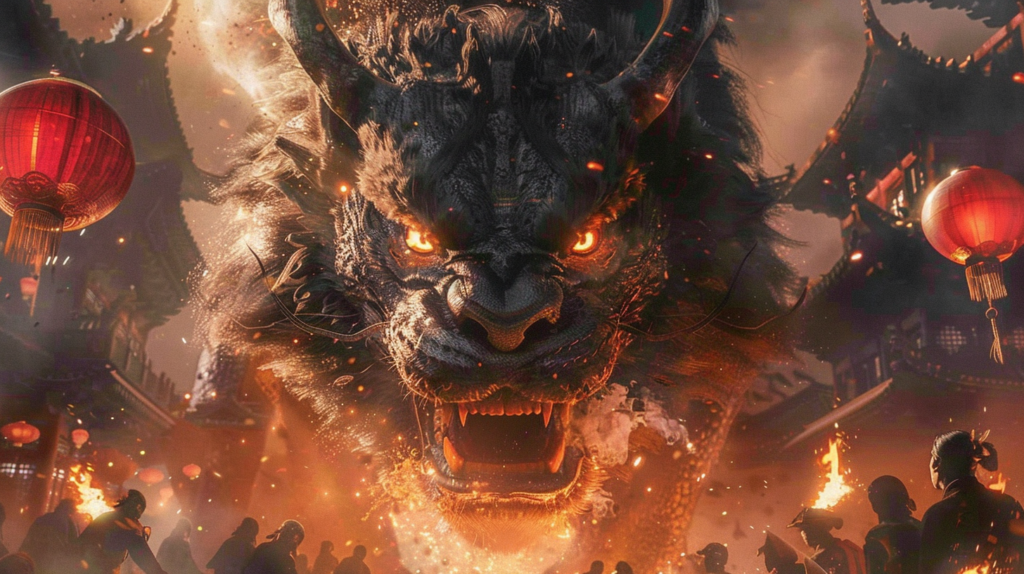
This belief is tied directly to the legend of Nian. So, what is the legend of Nian? In Chinese folklore, Nian is a monstrous beast that emerged once a year to terrorise villages, devouring crops, livestock, and sometimes people. Early communities discovered that the creature feared loud sounds, bright colours especially red, and fire.
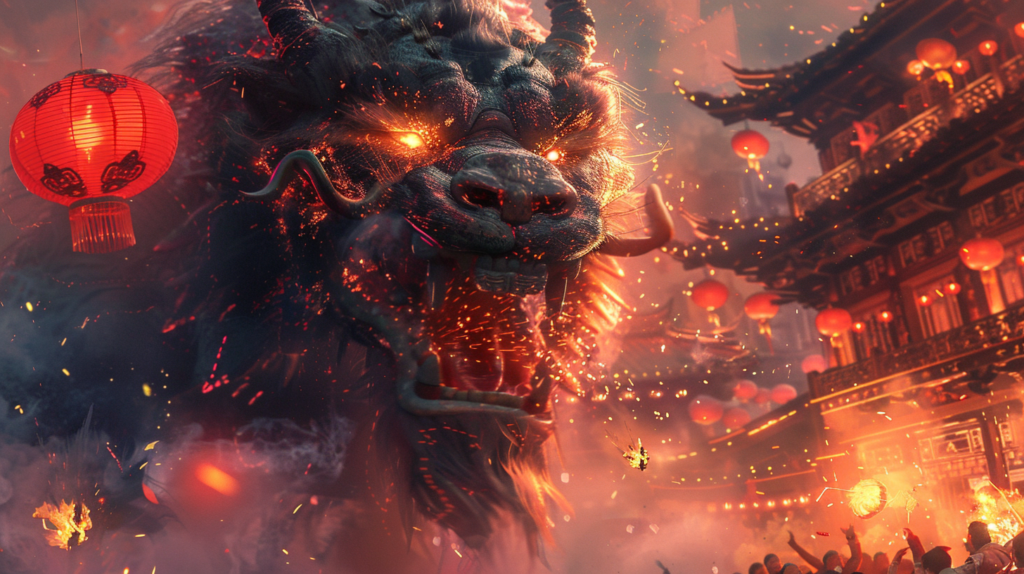
Thus, the legend of Nian chinese tradition gave birth to firecrackers and fireworks, weapons disguised as celebration. Even today, the explosive chaos of Chinese New Year is believed to frighten the Nian and other lingering malevolent spirits, echoing humanity’s ancient victory over the beast.
In Southeast Asia, where there are various spiritual beliefs, this belief took on deeper urgency. Firecrackers do not only scare the Nian, they warn all unseen entities that the Chinese settlers have accounted in the course of their migrations over the years. New spirits in new lands can also be good and bad, depending on how they see it, and the bad ones are chased away during the Lunar new year.
Fortune Telling with Tea Leaves: Reading the Year’s Fate
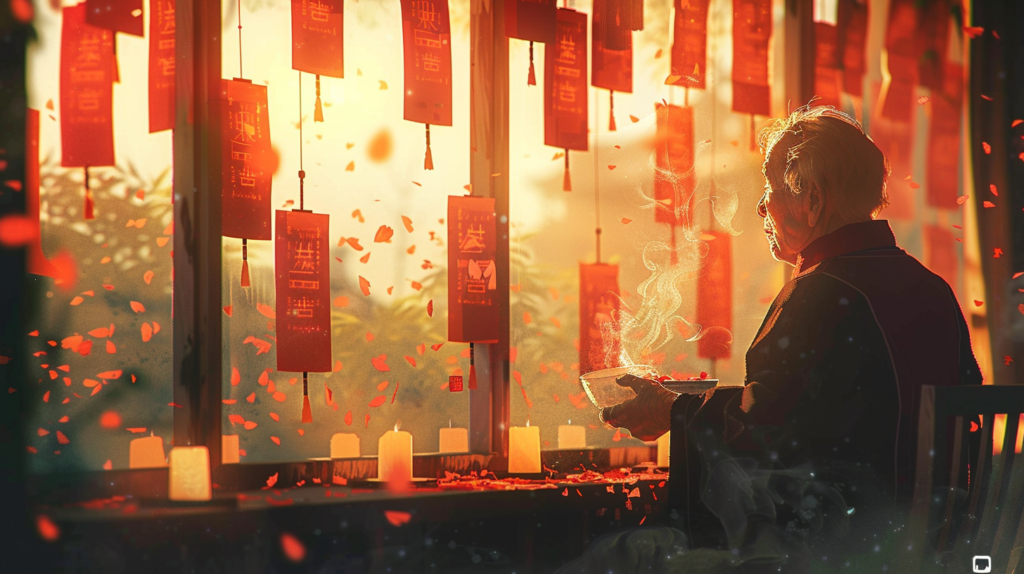
Another interesting aspect to Chinese new year celebrations is the reading of tea leaves. While modern celebrations lean heavily on zodiac predictions, older communities across Southeast Asia still practice fortune telling with tea leaves during Chinese New Year.
After prayers are completed, elders or temple assistants quietly examine the patterns left behind in drained tea cups. Swirls may signal confusion ahead. Clusters can mean wealth. Broken lines are read as betrayal or spiritual danger.
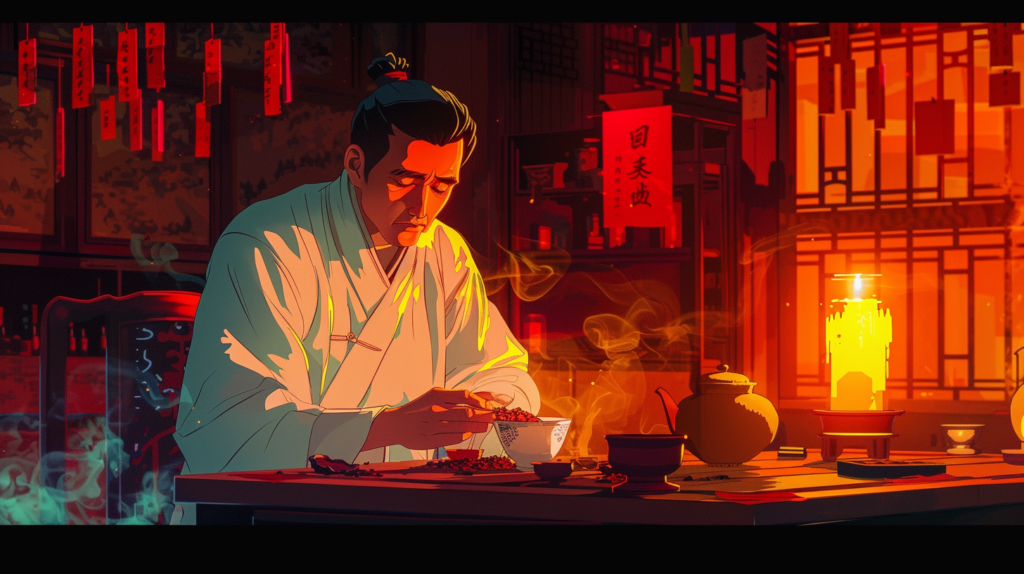
Unlike commercial fortune telling, this ritual is intimate and unsettling. The tea does not lie, but never explains itself either. Bad signs are rarely spoken aloud, only hinted at, allowing fate to play its course.
In a region where superstition still plays a huge part in day to day life, these silent readings carry enormous emotional weight.
For videos related to the myths & legends of Southeast Asia, watch it on our YouTube channel
Tatung Lunar New Year Rituals: When Gods Enter Human Flesh
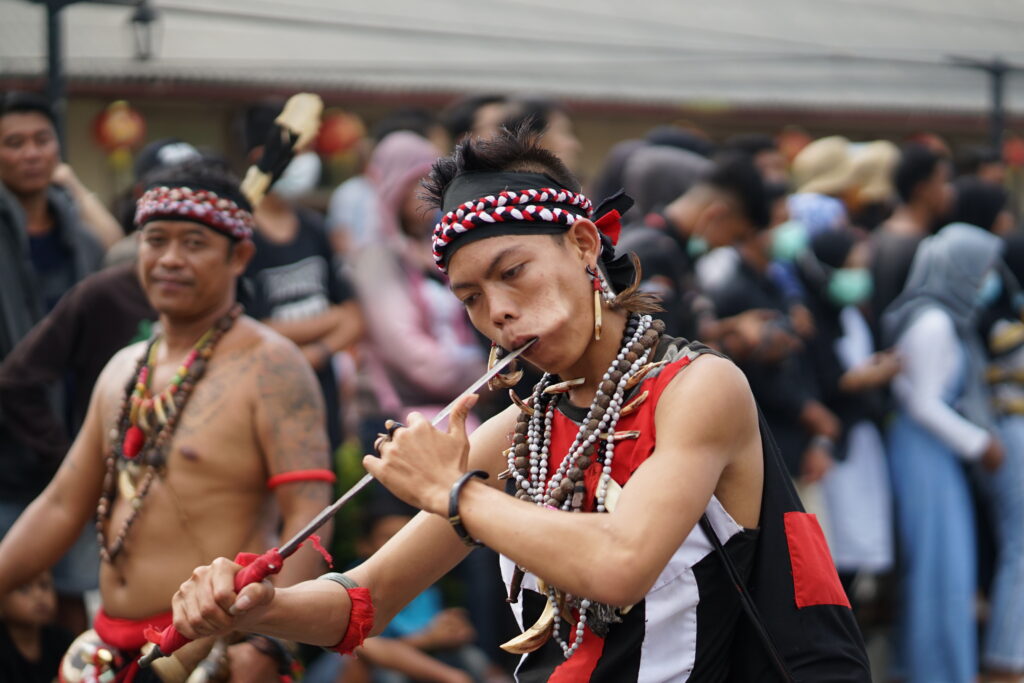
Perhaps the most extreme and visually striking Chinese New Year practice in Southeast Asia is the Tatung Lunar New Year ritual, most famously associated with Singkawang in West Kalimantan, Indonesia. But this practice can also be seen in Phuket and perhaps in small pockets of community elsewhere in the region.
During the festival period, spirit mediums enter violent trances, allowing gods, ancestral spirits, or guardian entities to possess their bodies. In this state, they pierce their cheeks, walk on blades, and perform acts believed impossible for ordinary humans.
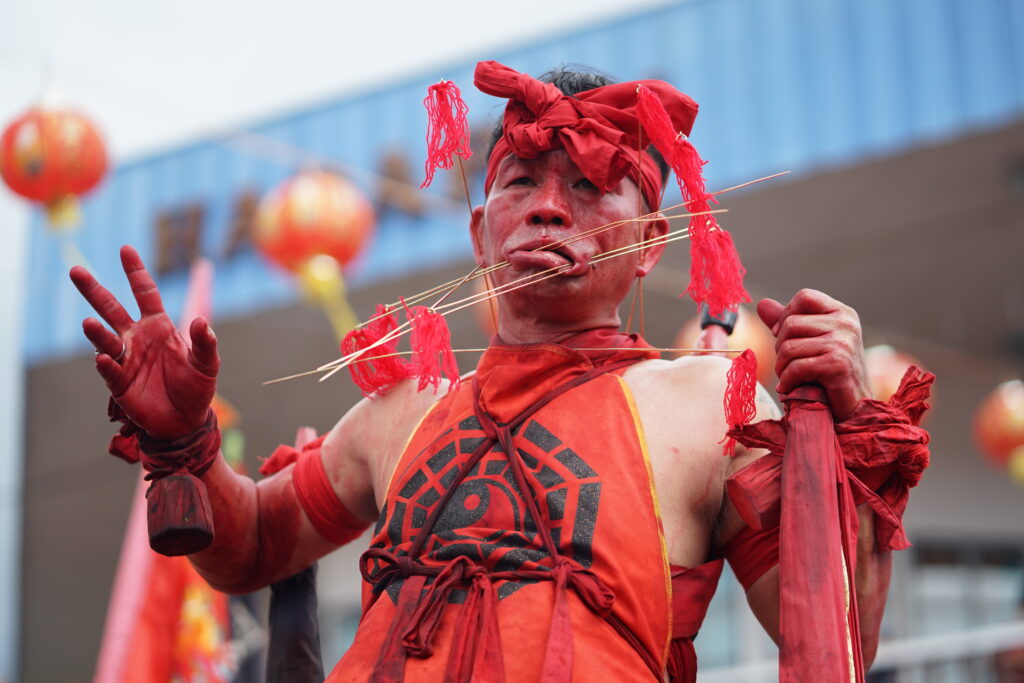
These rituals are not spectacles. They are believed to cleanse entire communities, absorb misfortune, and appease restless spirits roaming freely during the New Year transition.
Many Tatung practitioners come from Hakka communities, leading to an important question, who are the Hakka?
Who are the Hakka?
The Hakka are a Han Chinese subgroup historically known for migration, resilience, and strong spirit-medium traditions. Their customs often preserve older forms of rituals that faded elsewhere, making them central to Tatung practices in Southeast Asia.
In Southeast Asia, Chinese New Year is not simply about inviting luck. It is about managing danger. Fireworks, tea leaves, and trance rituals all serve a purpose.
If you are interested in Southeast Asian stories, read Tikbalang: The Twisted Forest Guardian and Trickster of the Philippine Jungles
Leave a Reply